When you are thinking about buying something or using a service you probably read what other people have to say about it. Online reviews can really affect how people see a business or a product. Before people buy something or book a service they like to know what other people thought of it. If the reviews are good it can make people feel more confident.. If the reviews are bad it can show that there might be some problems.
Not all reviews are helpful or honest though. Some reviews might have spam or mean language. They might even have personal information or ads. Some people might write reviews or talk about things that have nothing to do with the product or service. That is why it is an idea to check the reviews.
For businesses it is really important to do review moderation right. It helps people find the information they need. It keeps the platform safe from bad or fake content. This way online reviews can be really useful, for people who are trying to make a decision.
Step 1: Create Clear Review Guidelines
First you need to define what users can and cannot post. Your review policy should be easy to understand. Displayed near the review submission form. This policy should explain that reviews should be based on an experience with the product, service, seller, freelancer or business being reviewed.
The review policy should also say that spam, hate speech, threats, harassment, illegal content, personal data, advertisements and copied reviews are not allowed. You should also make it clear that negative reviews are allowed when they follow the rules. This helps users understand that moderation is based on content quality and safety not on whether the review of the product, service, seller, freelancer or businesss positive or negative.
Step 2: Use a Consistent Review Process
Every review should be evaluated according to the standards. A business should not approve reviews automatically while applying stricter rules to negative reviews of the product, service, seller, freelancer or business.
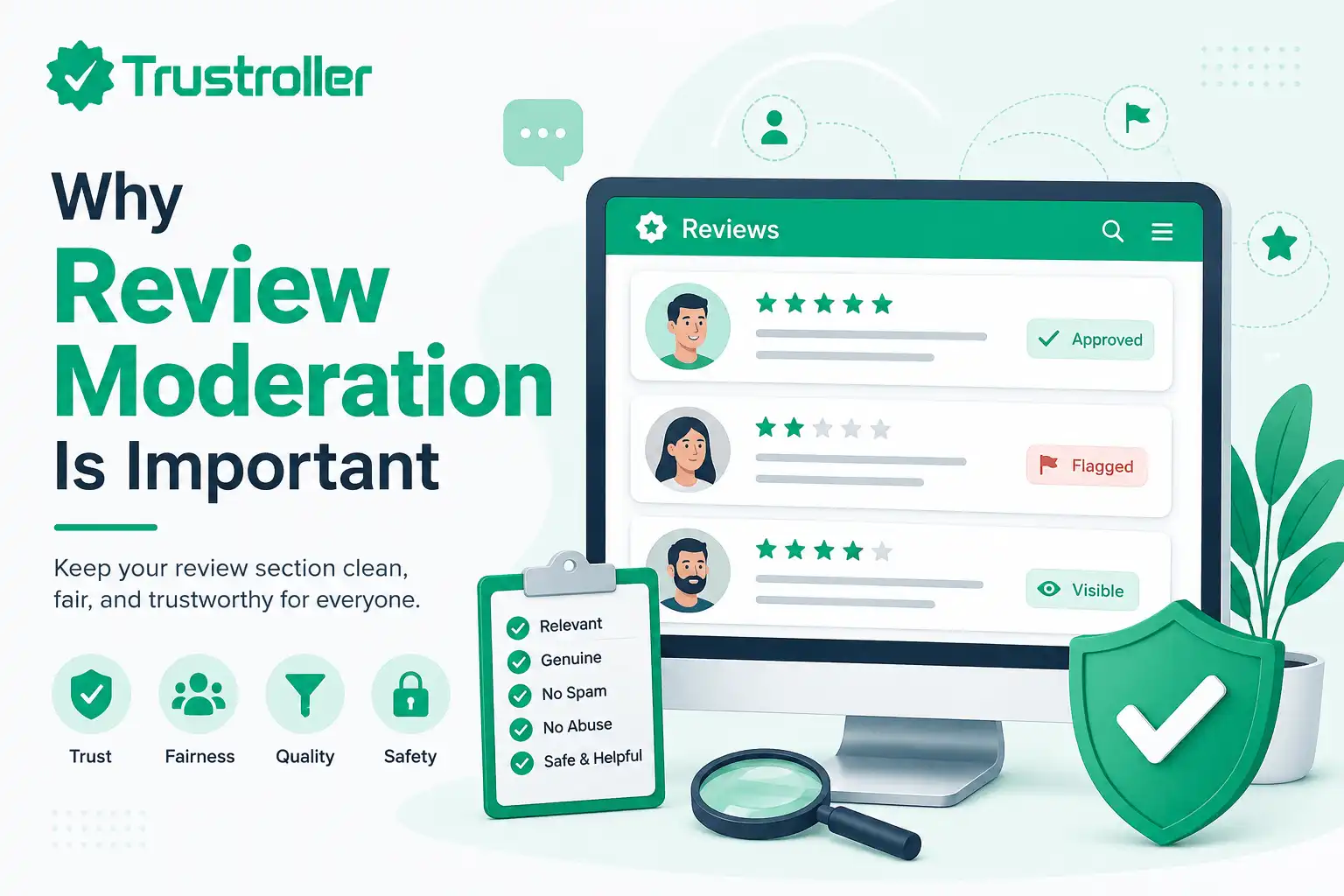
You should create a moderation workflow. For example a review may be approved, rejected, edited for information sent for further review or returned to the user for clarification.
Documenting this process helps moderators make decisions. It also reduces confusion when several team members are responsible for managing reviews of the product, service, seller, freelancer or business.
Step 3: Check Relevance and Usefulness
A useful review should discuss the experience with the product, service, seller, freelancer or business.
It may mention product quality, communication, delivery, support, pricing clarity, ease of use or service performance. You should. Flag content that is completely unrelated to the product, service, seller, freelancer or business.
For example a review about a delivery company should not be posted on a software product page unless the delivery experience is directly connected to the purchase of the software product. Short reviews such as "good" or "bad" may still be genuine. Detailed reviews generally provide more value to the product, service, seller, freelancer or business.
Platforms can encourage users to explain what they liked what went wrong and what future customers should know about the product, service, seller, freelancer or business.
Step 4: Remove Spam and Promotional Content
Spam reviews may include repeated messages, suspicious links, unrelated advertisements, referral codes or copied content posted across pages of the product, service, seller, freelancer or business.
Review moderation should. Remove this material before it reduces the quality of the platform. Automated filters can help detect repeated phrases, excessive links, posting activity or prohibited words related to the product, service, seller, freelancer or business.
However automated tools should not be the method used. They can make mistakes. Important or unclear cases should be checked by a moderator to ensure the review of the product, service, seller, freelancer or business is valid.
Step 5: Protect Personal Information
Users may accidentally include phone numbers, home addresses, email addresses, payment details, account numbers or private conversations in a review of the product, service, seller, freelancer or business.
This information should be. Hidden when it is unnecessary and creates a privacy risk. The reviewer may be asked to submit a revised version without details about the product, service, seller, freelancer or business.
Businesses responding to reviews should also avoid sharing customer information. When defending against criticism of the product, service, seller, freelancer or business the response should remain general, professional and respectful.
Step 6: Handle Negative Reviews
Negative reviews of the product, service, seller, freelancer or business are not automatically harmful. They can help businesses identify problems and show customers that feedback is taken seriously about the product, service, seller, freelancer or business.
You should approve reviews when they are relevant, understandable and within the rules. The business can respond by acknowledging the concern explaining the step and inviting the reviewer to contact support through an official channel about the product, service, seller, freelancer or business.
You should not argue aggressively. Pressure the customer to remove the review of the product, service, seller, freelancer or business. A calm and helpful response often creates an impression than attempting to hide criticism of the product, service, seller, freelancer or business.
Step 7: Provide an Appeal or Reporting Option
Users and businesses should have a way to report reviews that may violate platform rules about the product, service, seller, freelancer or business. They should also be able to request another review of a moderation decision about the product, service, seller, freelancer or business.
An appeal process does not need to be complicated. You should ask the person to explain which rule they believe was applied incorrectly and provide any supporting information about the review of the product, service, seller, freelancer or business. This creates accountability. Helps improve the moderation system over time, for the product, service, seller, freelancer or business.

Comments (0)