
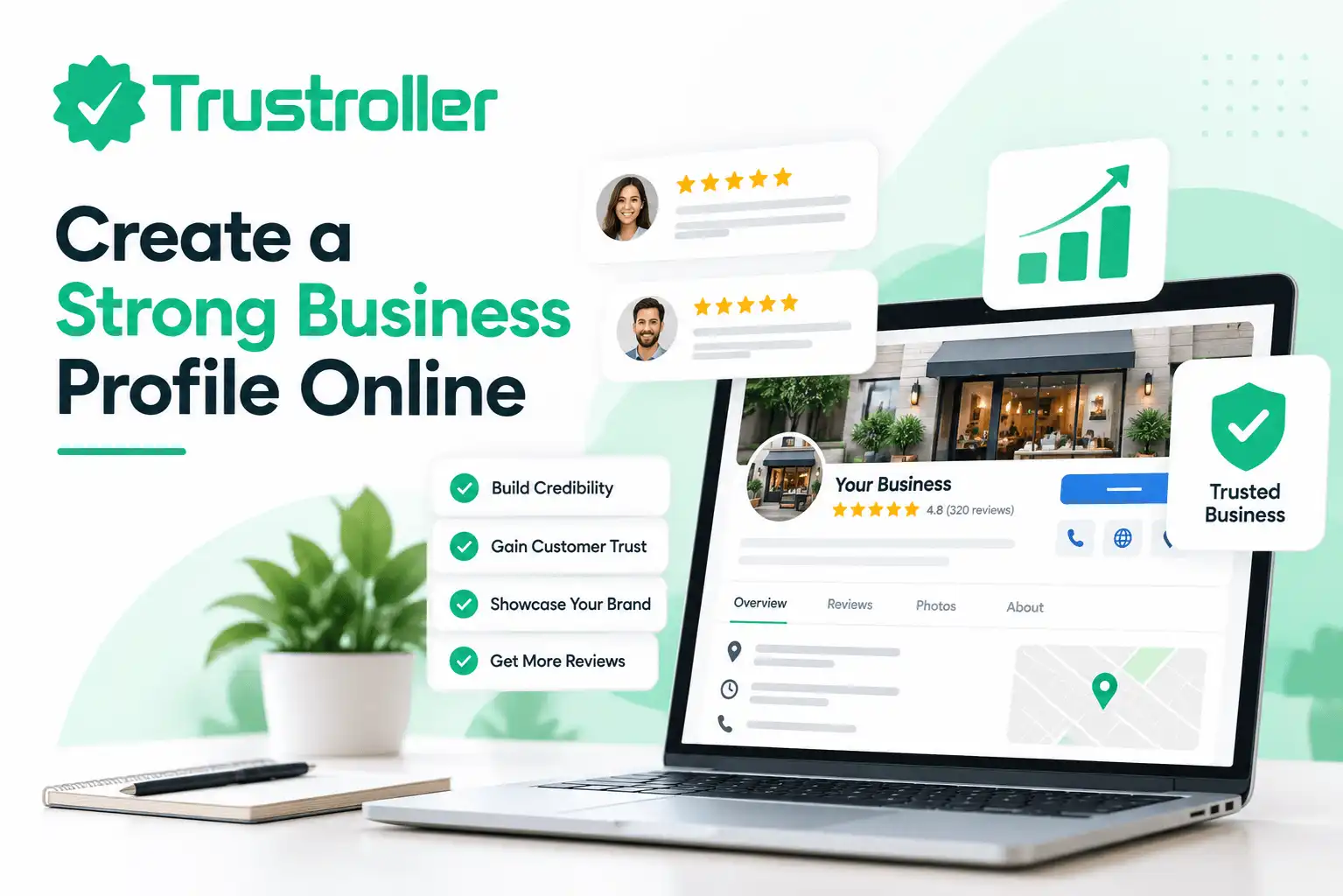
Creating a strong business profile online is one of the most important steps for building a professional and trustworthy digital presence. Whether you operate a small local shop, an online store, a consulting company, or a growing service business, potential customers often search for information about your company before making a purchasing decision. They want to understand what your business offers, how they can contact you, whether your company appears legitimate, and what other customers have experienced. A well-prepared online business profile helps answer these questions while creating a positive first impression. In many cases, your business profile may be the first place someone encounters your brand, even before visiting your official website.
That makes the accuracy, appearance, and completeness of your business information especially important. Imagine two companies offering similar services at comparable prices. The first company has a complete profile with a clear description, recognizable logo, accurate contact details, useful images, and genuine customer reviews. The second company has an incomplete profile, outdated information, and almost no explanation of its services. Although neither profile guarantees the quality of the company, the first gives potential customers more useful information for evaluating their options. This example demonstrates why businesses should treat their online profiles as valuable communication tools rather than simple listings. A strong business profile online introduces your brand, explains your products or services, and makes it easier for customers to understand what they can expect.
It also creates opportunities to demonstrate professionalism through consistent branding, transparent policies, helpful information, and respectful responses to customer feedback. For beginners, creating an effective profile does not require advanced marketing knowledge or an expensive advertising budget. The process starts with understanding your business, gathering accurate information, selecting relevant platforms, and presenting everything in a simple and organized way. Your business name, website address, description, category, contact information, and branding should represent the same company consistently wherever customers encounter them. This consistency reduces unnecessary confusion and makes your digital presence easier to recognize.
However, establishing a strong profile involves more than filling out registration forms. Customers may also examine how recently your information was updated, whether the business responds to questions, and how it handles both positive and negative feedback. These details contribute to the overall impression people develop about your organization. An effective profile should therefore remain useful after its initial publication. Business owners should review their information periodically, improve descriptions when services change, and encourage customers to share honest experiences without pressure or misleading incentives. It is equally important to remember that creating a profile is not a shortcut to guaranteed sales, higher search rankings, or immediate customer trust. Your real products, service quality, communication, and business practices must support the information you publish.
When your profile accurately reflects your operations, it becomes part of a reliable customer experience rather than simply another marketing page. In this beginner-friendly guide, you will learn how to plan, create, optimize, and maintain an effective online business profile. You will also discover common mistakes to avoid, practical ways to manage customer feedback, and useful checks that can help you maintain a credible and professional presence over time.
Why a Strong Business Profile Online Matters
A strong business profile online matters because customers need reliable information before they can confidently interact with an unfamiliar company. When people discover a business through search engines, online directories, social media, or customer review websites, they naturally look for signs that the organization is active, transparent, and relevant to their needs. An incomplete profile may leave important questions unanswered, while a detailed and accurate profile provides a clearer picture of the company. One major benefit is improved business credibility.
Credibility develops when customers find consistent company information, clear explanations of services, realistic claims, and professional communication. For example, a customer researching a website development agency may want to see its business name, website, services, working process, contact options, and examples of completed projects. A profile containing these details helps the customer make an informed decision without unnecessary confusion. Another important benefit is business discoverability. Online platforms organize information through categories, business names, locations, and service descriptions. Choosing accurate categories and providing relevant details can help users understand whether your company matches their search.
However, a profile alone does not guarantee prominent search placement, and different platforms use different systems for displaying results. The goal should be to make business information accessible and useful rather than trying to manipulate search visibility. A complete profile can also support customer communication. People should not have to search through several unrelated websites to find a working phone number, an official email address, or a reliable contact page. When these details are easy to locate, customers can ask questions, request information, or report problems more conveniently. Trust is another essential consideration.
Businesses naturally describe their own strengths, but potential buyers may also want independent perspectives from people who have used their products or services. Genuine customer reviews provide additional context about real experiences, including customer support, service reliability, delivery expectations, and overall satisfaction. Understanding how to build a strong online business reputation can help business owners connect their profile-building activities with long-term customer relationships. Customer feedback can be valuable even when it includes criticism. A thoughtful response to a legitimate complaint may demonstrate responsibility and willingness to improve, while ignoring repeated concerns can make an organization appear disconnected from its customers.
A professional business profile can also create consistency across marketing channels. Your official website, business directory listings, social pages, and review profiles should communicate the same basic identity, even when the available fields and audience expectations differ. This makes it easier for customers to recognize your company and distinguish genuine accounts from unrelated or impersonating profiles. For growing businesses, this consistency becomes especially important as new services, employees, locations, or communication channels are introduced.
Finally, a well-maintained profile provides a practical foundation for future improvements. By observing common customer questions, reviewing feedback themes, and identifying incomplete information, businesses can make their profiles more helpful over time. Instead of viewing the profile as a one-time promotional exercise, consider it a continuously maintained public introduction to your organization. Its real value comes from accuracy, transparency, accessibility, and the quality of the experiences that support it.
Step-by-Step Guide: How to Create a Strong Business Profile Online
Step 1: Prepare Your Business Information and Choose the Right Platforms
The first step in creating a strong business profile online is preparing accurate information before registering on different platforms. Many beginners immediately create accounts without organizing their company details, which often results in inconsistent descriptions, incorrect contact information, or missing sections. A better approach is to create a simple document containing your official business name, website address, primary email, business phone number, operating location if applicable, service area, opening hours, industry category, and a short explanation of your services.
Check every detail carefully because this information may appear on multiple websites and influence how customers identify your company. Your business name should match the name you actually use in your operations, advertising, invoices, and official communications. Avoid adding unrelated promotional words or excessive keywords to the name field merely to attract attention. For example, if your business is called BrightPath Digital, use that name rather than replacing it with an unnatural phrase such as BrightPath Digital Best Cheap Website Design Marketing Agency. Your description is the appropriate place to explain services and specialties. Next, identify the platforms where your potential customers are most likely to look for businesses like yours.
A local restaurant may benefit from a map-based business listing, while a software development company may find its official website, professional network presence, and relevant review platforms particularly useful. An online retailer might prioritize its website, customer support channels, and the platforms through which customers evaluate shopping experiences. You do not need to create profiles on every available website. Managing a smaller number of useful and accurate profiles is generally more practical than maintaining dozens of abandoned listings. For eligible customer-facing local businesses, Google Business Profile may be relevant, but not every online-only company qualifies. Google explains that eligible businesses generally need a location customers can visit or must travel to customers, and its guidelines require businesses to represent their identity and location accurately.
Review the platform's official requirements before creating an account. Customer review platforms can serve a different purpose by allowing people to share experiences and helping businesses understand customer perceptions. The platforms you select should match your goals rather than simply being popular. Once you identify suitable websites, check whether your business already has a listing. An existing listing may have been created through a platform's normal processes or submitted by another person. Where an ownership or claiming process is available, follow the official procedure instead of automatically creating duplicate profiles. Duplicate listings can confuse customers and make updates more difficult. You should also decide who will manage each account.
Use a business-controlled email address, protect access with strong authentication, and avoid giving unnecessary administrative permissions to people who do not need them. Keep a secure record of the platforms you use, their profile addresses, and the employees responsible for maintenance. Finally, prepare the materials you will need during setup, including an official logo, relevant business photographs, a clear description, and accurate service information. Having these resources ready makes the profile creation process faster, more consistent, and easier to manage.
Step 2: Write a Clear Business Description and Build a Professional Visual Identity
After collecting your company information, the next step is writing a clear and helpful description that explains what your business does. Your business description should make sense to someone encountering your company for the first time. Avoid assuming that readers already understand your industry, technical terminology, or service process. A useful description normally identifies the business, explains its main products or services, identifies the customers it serves, and mentions meaningful characteristics that distinguish its approach. For example, a web design company could write: "BrightPath Digital provides website design, maintenance, and online business solutions for small businesses and growing organizations. We help clients build practical, accessible websites with clear communication and ongoing technical support." This description is more informative than a statement claiming that the company is the world's number-one provider without evidence. When writing your description, concentrate on accuracy and customer understanding rather than repeating keywords.
The phrase business profile online may be important for an educational article like this one, but an actual company profile should primarily describe the company's genuine activities. Use natural language that reflects what potential customers need to know. If your business serves a particular geographic area, mention that information where relevant and permitted by the platform. If you offer specialized services, explain them in terms ordinary customers can understand. Avoid including services you no longer provide, unsupported awards, exaggerated performance guarantees, or promises you cannot consistently fulfill. It can be useful to prepare both a short description and a longer introduction because different websites allow different amounts of text.
A short version might be suitable for search previews or compact listing sections, while a longer version can explain company background, service categories, and customer support arrangements. However, descriptions must still follow each platform's specific content requirements. For example, Google restricts promotional content and links in its Business Profile description field, so wording that works on your website may require adjustment elsewhere. Visual identity is equally important because people often recognize a company through its logo, colors, photographs, and overall presentation. Upload a clean, recognizable company logo that remains readable at small sizes. Use consistent branding where possible, but follow the recommended image dimensions and content rules of each platform.
Avoid using unrelated stock photographs that might misrepresent your workplace, staff, products, or facilities. Authentic photographs of your actual business environment, products, completed work, or team can provide useful information when you have permission to share them. If professional photography is unavailable, clear and well-lit images taken with a phone can still be helpful. Remember to obtain appropriate permission before publishing identifiable customer or employee photographs, and avoid revealing private information in images. Your profile should also make essential contact details easy to find. Include an official website, a monitored business email, and an appropriate contact method wherever the platform supports them. Test the links and contact options before publishing.
A beautiful profile loses much of its usefulness when customers cannot reach the business. Together, clear descriptions, accurate contact information, authentic visuals, and consistent branding create a more complete introduction to your company.
Step 3: Complete Your Profile and Strengthen Trust Through Authentic Reviews
A business profile online becomes more useful when important sections are completed carefully instead of being left blank. After adding your name, description, logo, and contact details, review every available field and decide whether it applies to your business. Depending on the platform, these fields may include service categories, business hours, location details, website links, product information, service descriptions, FAQs, photographs, and additional customer support options. Complete relevant sections using accurate information, but do not invent details simply to achieve a full completion indicator. If your business operates entirely online, describe its genuine operating model instead of suggesting that it has a physical storefront where customers can visit.
If your business serves customers at their locations, use any applicable service-area settings according to the platform's rules. Categories should represent your actual main business activities rather than unrelated services selected only to attract additional searches. Once the basic listing is complete, inspect it from a customer's perspective. Imagine that someone knows nothing about your company. Can they quickly identify what you sell? Can they find your official website? Are your operating hours clear where applicable? Do your images accurately represent your business? Is the contact method working? If the answer to any important question is no, correct the issue before actively sharing the profile. The next important area is customer trust. While an informative description explains what the business promises, genuine reviews can provide perspectives on actual customer experiences.
Review platforms such as Trustroller allow users to share feedback about businesses, and businesses can engage with customer opinions. These interactions can help potential customers evaluate different providers, although individual reviews should not be treated as guarantees of quality. After a real transaction or service interaction, you may politely invite eligible customers to share their honest experiences on a suitable review platform. The invitation should be neutral and voluntary. Ask for genuine feedback rather than specifically requesting a five-star rating or a positive recommendation.
Customers who have complaints should have the same opportunity to leave authentic feedback as satisfied customers. Businesses should not create reviews for themselves, impersonate customers, purchase fabricated testimonials, or selectively pressure people to publish favorable opinions. These practices undermine trust and may violate platform rules. For a more detailed approach, see how to ask customers for reviews without being pushy. Once reviews appear, read them carefully and respond where appropriate. Thank customers for helpful feedback, acknowledge reasonable concerns, and provide professional assistance when an issue requires attention. Avoid disclosing account information, transaction details, or private conversations publicly.
If a complaint requires investigation, direct the customer toward an appropriate private support channel without dismissing the concern. Remember that an online profile should reflect your actual business practices, including how you communicate when something goes wrong. A business does not need a perfect rating to demonstrate professionalism. Honest responses, relevant information, and a willingness to improve can be more meaningful than attempting to maintain an unrealistic appearance of universal satisfaction.
Common Mistakes to Avoid When Creating an Online Business Profile
Even when business owners understand the importance of an online presence, several common mistakes can reduce the usefulness and credibility of their profiles. One frequent mistake is publishing incomplete or inconsistent information. A company might use one phone number on its website, another in a business directory, and an outdated email address on a review platform. These differences can confuse customers and create unnecessary communication problems. Before publishing a profile, compare important details across your existing channels and correct any inconsistencies.
Another common mistake is writing descriptions that focus entirely on promotional claims instead of providing useful information. Statements such as "the best company in the world" or "guaranteed perfect service" rarely explain what customers actually need to know. A stronger description identifies real services, explains relevant benefits, and communicates realistic expectations. Choosing incorrect business categories is another avoidable problem. Categories should help customers understand your business, not serve as a collection of unrelated search keywords. Similarly, businesses should avoid creating unnecessary duplicate listings, because multiple profiles representing the same location or organization can make information harder to manage. Visual presentation also deserves attention. Low-resolution logos, irrelevant photographs, inconsistent branding, and images containing outdated offers can create an unprofessional impression. Your images should be clear, accurate, and relevant to the company.
Another mistake is ignoring customer feedback after creating a profile. Some businesses invest considerable effort in setting up their pages but never return to read reviews or answer questions. A profile that appears unattended may leave customers uncertain about whether the company is actively managing its communication channels. Establish a realistic review schedule and assign someone to monitor important notifications. However, avoiding negative feedback is not the same as managing it professionally. Deleting legitimate criticism where possible, arguing publicly with reviewers, or posting misleading responses can damage trust. Instead, investigate reasonable concerns, acknowledge mistakes when appropriate, and explain the next steps without sharing confidential information. Businesses should also avoid manufacturing positive reviews or encouraging misleading endorsements. Authentic experiences provide more meaningful information than artificially improved ratings.
Another issue is neglecting privacy and account security. Public business profiles may contain contact information, but business owners should be careful not to expose personal telephone numbers, home addresses, employee records, or other sensitive details unnecessarily. Administrative access should remain under appropriate business control, with strong passwords and additional authentication wherever supported. In some cases, businesses also overlook accessibility. Descriptions filled with technical jargon, unclear navigation, unreadable graphics, or missing contact options can make it harder for customers to understand the organization. Use simple language and provide information through accessible formats whenever possible. Finally, one of the biggest mistakes is treating profile creation as a one-time activity. Businesses change over time. Services are introduced, working hours change, team members leave, and contact information gets updated.
A profile that was correct six months ago may no longer reflect current operations. Schedule regular reviews, update important details promptly, and use recurring customer questions to identify opportunities for improvement. For additional practical ideas, explore how to improve your online business reputation. The strongest profiles are not necessarily the most elaborate ones. They are the profiles that consistently provide accurate information, communicate clearly, respect customer feedback, and reflect the real business behind them.
Frequently Asked Questions (FAQ)
1. What is a business profile online?
A business profile online is a public listing or page containing important information about a company. It may include the business name, description, services, website, contact details, images, location, and customer reviews. Profiles help potential customers learn about a business before contacting it or making a purchase.
2. How do I create a professional business profile online?
Start by collecting accurate company information, choosing relevant platforms, and writing a helpful business description. Add your official logo, genuine photographs, correct contact details, and applicable services. Review all information before publishing, follow platform requirements, and update the profile whenever important business information changes.
3. Can I create a business profile online for free?
Some business directories, social platforms, and review websites allow eligible businesses to create basic profiles without paying a listing fee. However, features and pricing differ between providers. Always review the platform's current terms before registering, and avoid assuming that every service or promotional feature is free.
4. Do customer reviews help strengthen a business profile?
Genuine reviews can make a profile more informative by sharing customers' actual experiences. They may also reveal common service strengths or problems that require attention. Businesses should encourage honest feedback without manipulating ratings or pressuring customers to provide positive reviews.
5. Does an online business profile improve SEO?
An accurate and relevant business profile may support online discoverability, particularly when a platform's information is accessible through search engines. However, search visibility depends on many factors, including relevance, competition, eligibility, and search engine systems. Creating a profile does not guarantee higher rankings.
6. How often should I update my business profile?
Review important details whenever your products, services, contact information, location, or operating hours change. A monthly accuracy check is a practical starting point for many small businesses. Customer questions and reviews may require more frequent attention depending on activity levels.
7. Should I create profiles on multiple websites?
Creating profiles on several relevant platforms can help customers find your business through different channels. However, prioritize websites your customers actually use. Maintaining a few accurate and active profiles is generally more useful than creating numerous listings that remain incomplete or outdated.
Build a Business Profile That Earns Customer Trust
Learning how to create a strong business profile online is an important starting point for building a recognizable and credible digital presence. A useful profile combines accurate information, consistent branding, clear service descriptions, accessible contact details, and genuine customer feedback.
Remember that online credibility develops through real business performance and transparent communication. Your profile should accurately represent the products, services, and customer experience your company provides.
Start Building Your Online Business Presence with Trustroller
If you want customers to discover information about your company and share their experiences, explore Trustroller.
Visit Trustroller — Business Reviews and Ratings to explore business profiles, learn about customer reviews, and take the next step toward building a transparent online reputation.
Comments (0)