
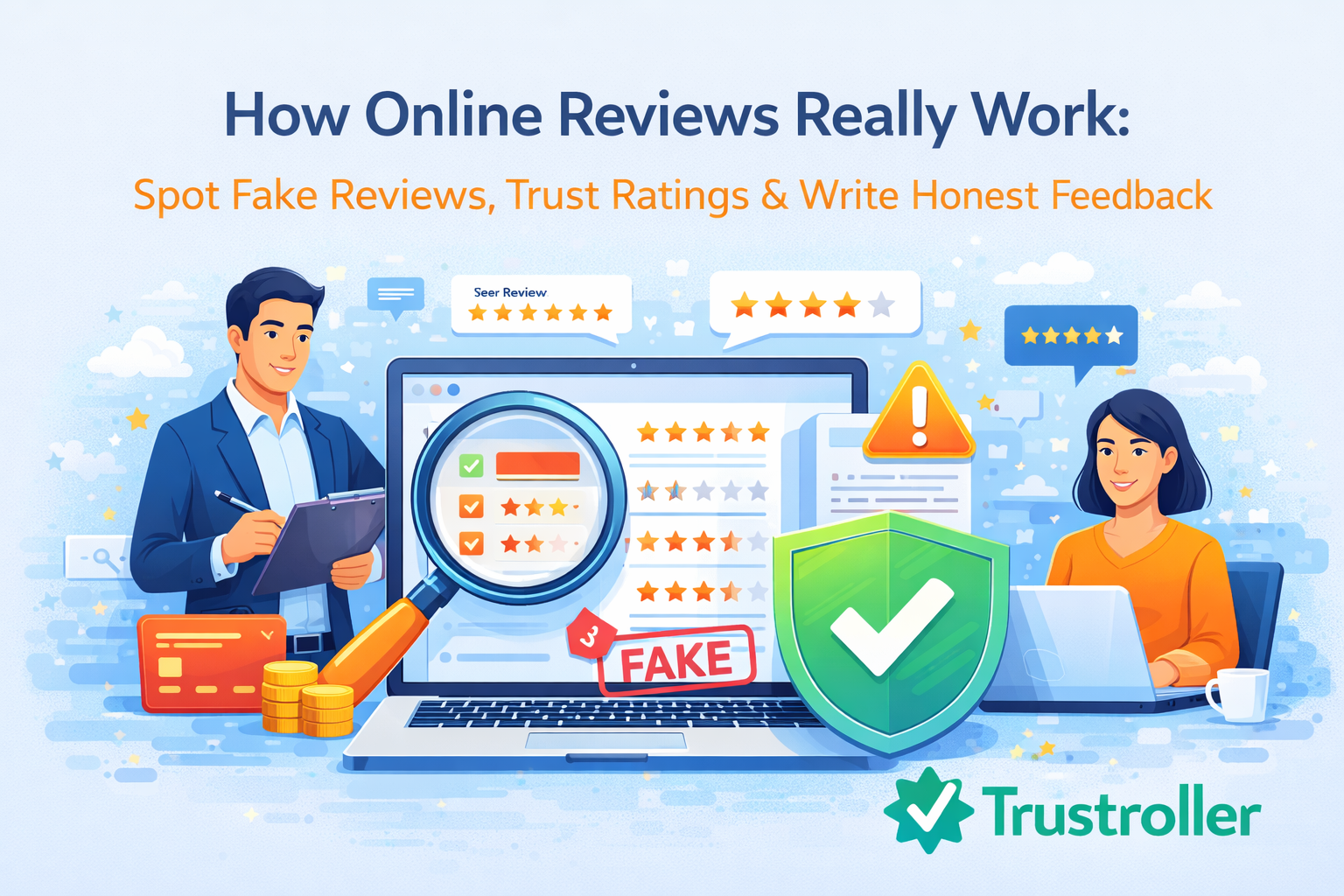
Introduction: Why Online Reviews Matter More Than Ever
Before buying a product, choosing a service, or trusting a website, most people do one thing first—they read online reviews. Reviews influence decisions more than advertisements, brand promises, or discounts.
However, not all reviews are genuine. Fake reviews, biased ratings, paid feedback, and manipulated scores have made it difficult for users to know what to trust.
This guide explains how online reviews really work, how to spot fake reviews, how rating systems function, and how users can write honest reviews that actually help others. This content is designed for review platforms and trust-based websites, not promotional blogs.
What Are Online Reviews?
Online reviews are user-generated opinions or experiences shared about a product, service, website, or company. Reviews usually include:
-
A rating (stars or score)
-
Written feedback
-
Experience details
Reviews help:
-
New users make informed decisions
-
Businesses understand customer feedback
-
Platforms build trust and transparency
How Review Platforms Collect Reviews
Most review platforms collect feedback through:
-
Direct user submissions
-
Verified user accounts
-
Purchase or experience confirmation (in some cases)
Legitimate review websites do not edit opinions, but they may moderate content to remove:
-
Spam
-
Hate speech
-
Personal data
-
False claims
This balance keeps reviews fair and legally safe.
Understanding Star Ratings and Trust Scores
Star ratings are a summary, not the full story.
For example:
-
⭐⭐⭐⭐⭐ does not always mean perfect
-
⭐⭐ does not always mean bad
A trust score or rating is usually calculated using:
-
Average rating
-
Number of reviews
-
Review regency
-
User credibility
👉 Tip: Always read both positive and negative reviews, not just the rating.
Why Fake Reviews Exist
Fake reviews exist because:
-
Businesses want quick trust
-
Scammers want to appear legitimate
-
Competitors want to harm reputations
Fake reviews can be:
-
Paid reviews
-
Automated bot reviews
-
Copied content
-
One-line generic praise
Understanding this helps users read reviews more critically.
How to Spot Fake Reviews (Clear Signs)
You should be cautious if reviews:
-
Sound overly positive with no details
-
Use repeated phrases
-
Are posted in large numbers within a short time
-
Have no balanced criticism
Genuine reviews usually include:
-
Specific experiences
-
Pros and cons
-
Natural language
Are Negative Reviews Always Real?
Not always. Some negative reviews may be:
-
Emotional reactions
-
Isolated experiences
-
Misunderstandings
However, patterns matter.
If many users report the same issue, it’s likely a real problem.
Why Review Context Is Important
A single review never tells the full story.
Before trusting reviews, consider:
-
When the review was posted
-
Whether the issue was resolved
-
How the business responded
Professional businesses often reply to reviews—good or bad.
How Review Websites Maintain Trust
Trust-focused review platforms:
-
Allow all opinions
-
Do not sell ratings
-
Publish clear moderation rules
-
Separate advertising from reviews
This approach protects users and businesses equally.
How to Write an Honest and Helpful Review
If you want your review to help others:
-
Describe what you expected
-
Explain what actually happened
-
Mention both positives and negatives
-
Avoid personal attacks
Good reviews are factual, calm, and experience-based.
What You Should Never Include in Reviews
For safety and fairness, avoid sharing:
-
Phone numbers
-
Email addresses
-
Payment details
-
Accusations without proof
Review platforms often remove reviews that violate these rules.
Reviews vs Testimonials: What’s the Difference?
-
Reviews are user-generated and independent
-
Testimonials are often selected or promoted by businesses
Always trust independent reviews more than website testimonials.
Can Reviews Be Manipulated?
Yes—but manipulation is usually detectable over time.
Signs of manipulation include:
-
Sudden rating jumps
-
Repetitive review language
-
No review history from users
This is why long-term review data matters more than short-term trends.
How Users Should Read Reviews the Smart Way
Best practices:
-
Read recent reviews first
-
Look for repeated complaints
-
Ignore emotional extremes
-
Focus on experience details
Smart reading protects you from misleading impressions.
Role of Reviews in Consumer Protection
Reviews help:
-
Warn users about bad experiences
-
Reward good businesses
-
Encourage accountability
That’s why review platforms are a key part of consumer protection ecosystems.
When to Leave a Review
Leave a review when:
-
You complete a purchase
-
You use a service
-
You want to warn others
-
You had a genuinely good experience
Honest feedback benefits everyone.
Frequently Asked Questions (FAQ)
Are all online reviews trustworthy?
No. Reviews should be read critically and across multiple sources.
Can businesses delete bad reviews?
On fair platforms, no—only reviews that violate rules are removed.
Should I trust star ratings alone?
No. Always read written feedback.
Do reviews affect businesses?
Yes. Reviews influence reputation, visibility, and trust.
Final Thoughts: Reviews Are Powerful When Used Correctly
Online reviews are one of the most powerful tools available to consumers—but only when read and written responsibly. Understanding how reviews work, spotting fake feedback, and sharing honest experiences helps create a safer and more transparent internet.
Trust is built through clarity, not perfection.
Comments (0)